Before / after
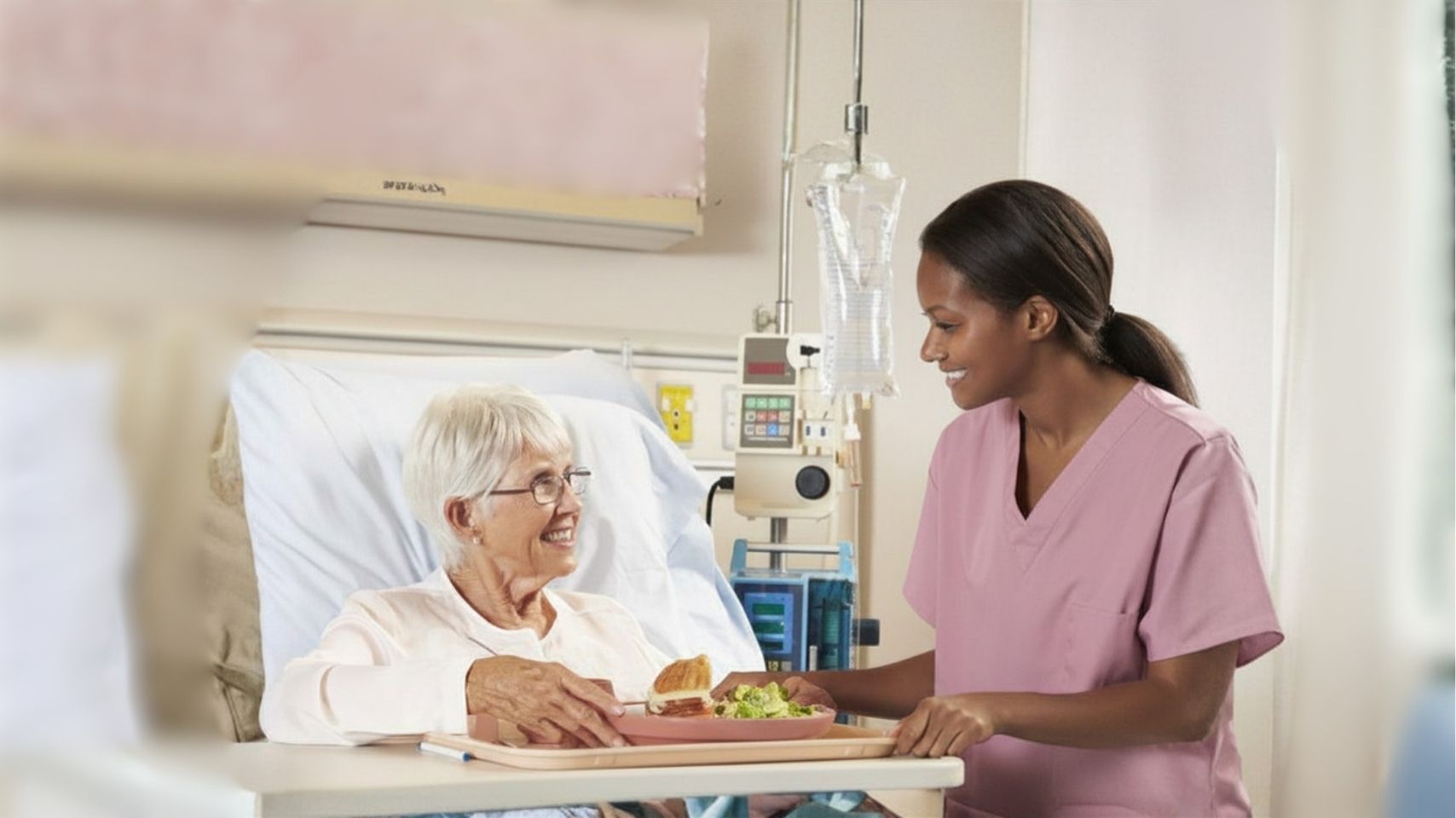
A photo when the tray is served and another at the end of the meal document what is left.
Hospitals & clinics
Via a mobile application, Skeal turns before-and-after tray photos into meal-consumption data that care, dietetic and food-service teams can review together.
For your teams
Skeal helps teams make meal observations more consistent and useful.
A photo when the tray is served and another at the end of the meal document what is left.
Results are organised by dish and by meal to make trends easier to read.
Analyses can be reviewed and corrected: professionals remain in control.
A continuous workflow
The workflow fits the meal moments: service, clearance, then data review.
Dishes and the required meal information are available in the app.
A photo before and after the meal documents consumption.
The portal makes relevant information visible to authorised teams.
A shared view
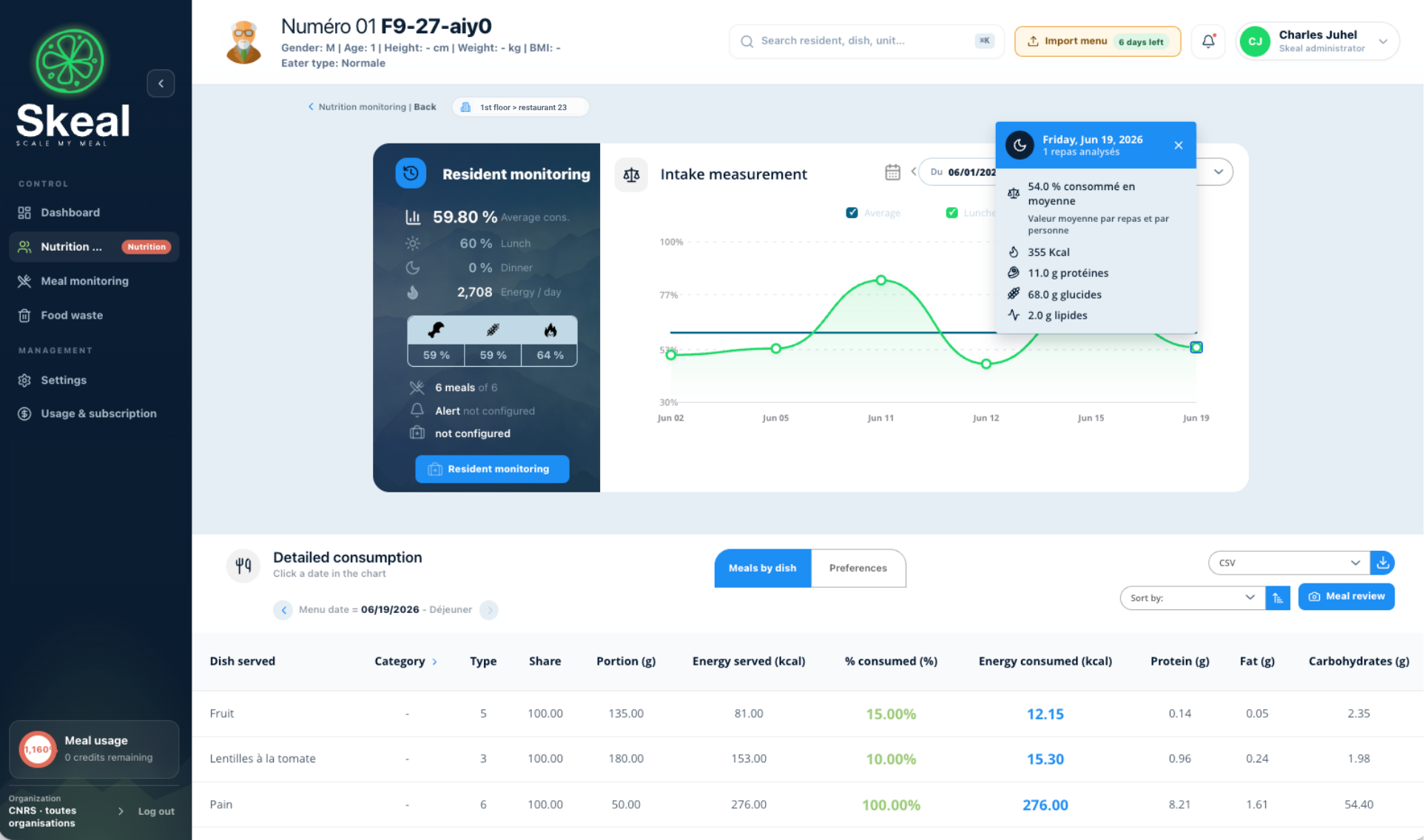
The portal helps teams follow consumption trends and share the same information across the ward, dietetics and food service.
Automated intake records
A reduction in food intake is a key element of nutrition surveillance. Manual intake records remain time-consuming, intermittent and difficult to consolidate across a ward.
Skeal documents the quantities actually eaten, meal after meal, from the real flow of trays served and cleared.
A significant reduction in food intake is an essential aetiological criterion in the assessment of malnutrition.
France: French National Authority for Health (HAS) recommendationsper year for
200 beds
+ Malnutrition costs up to €6,000 per stay
For your teams
Skeal turns observations made at mealtime into consistent, structured and actionable data.
Swipe to see all 4 steps →
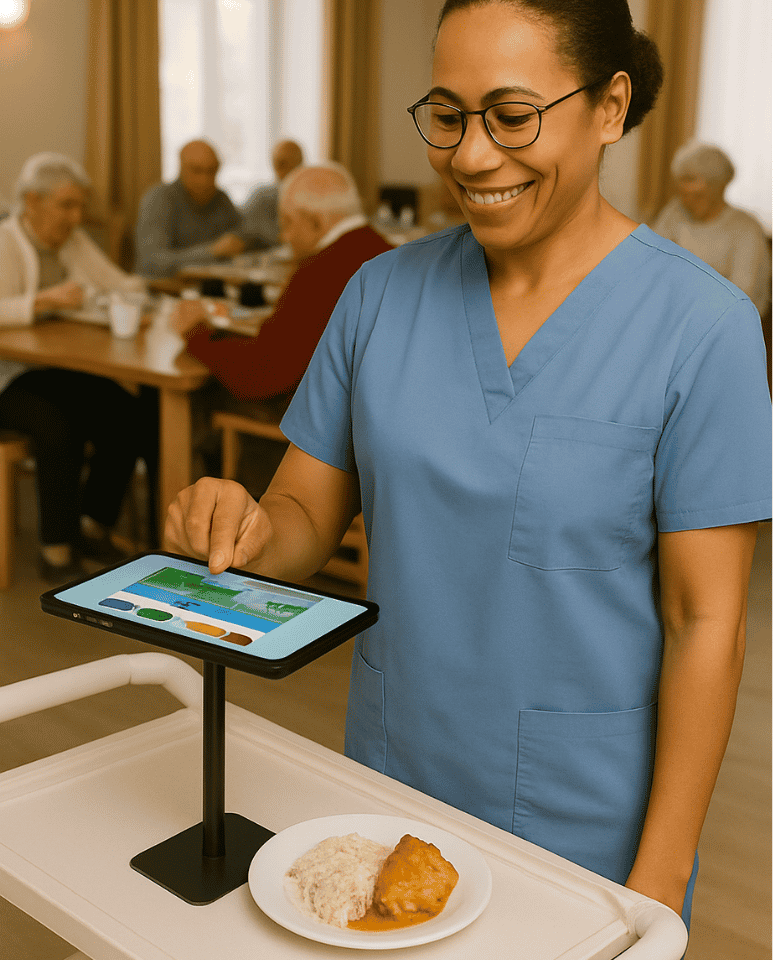
A photo of the tray when served, then a photo at clearance make it possible to compare quantities served and left over.
AI estimates the intake rate of each meal component and connects consumption with the available nutrition information.
Analyses can be checked and corrected by authorised professionals. Teams remain the decision makers.
A continuous workflow
With just a smartphone or tablet, Skeal fits mealtime practice at service and clearance with minimal impact, so consumption data can progressively cover every meal.
Import menus and their components. Skeal structures dishes, categories, portions and nutrition values using CIQUAL and GEM-RCN references. Individual menus can be linked to patients, diets and textures.
The tray can be linked to the patient and menu through the food-service workflow, including QR codes or tray cards. A capture is made before the meal and at clearance.
Measurements are consolidated in the Skeal portal. Authorised teams access individual consumption data and aggregated nutrition and food-service performance indicators.
Nutrition care
Skeal gives dietitians and care teams a longitudinal view of the patient's food consumption. Meals become actionable data for identifying situations that require analysis or an adjustment in nutrition care.
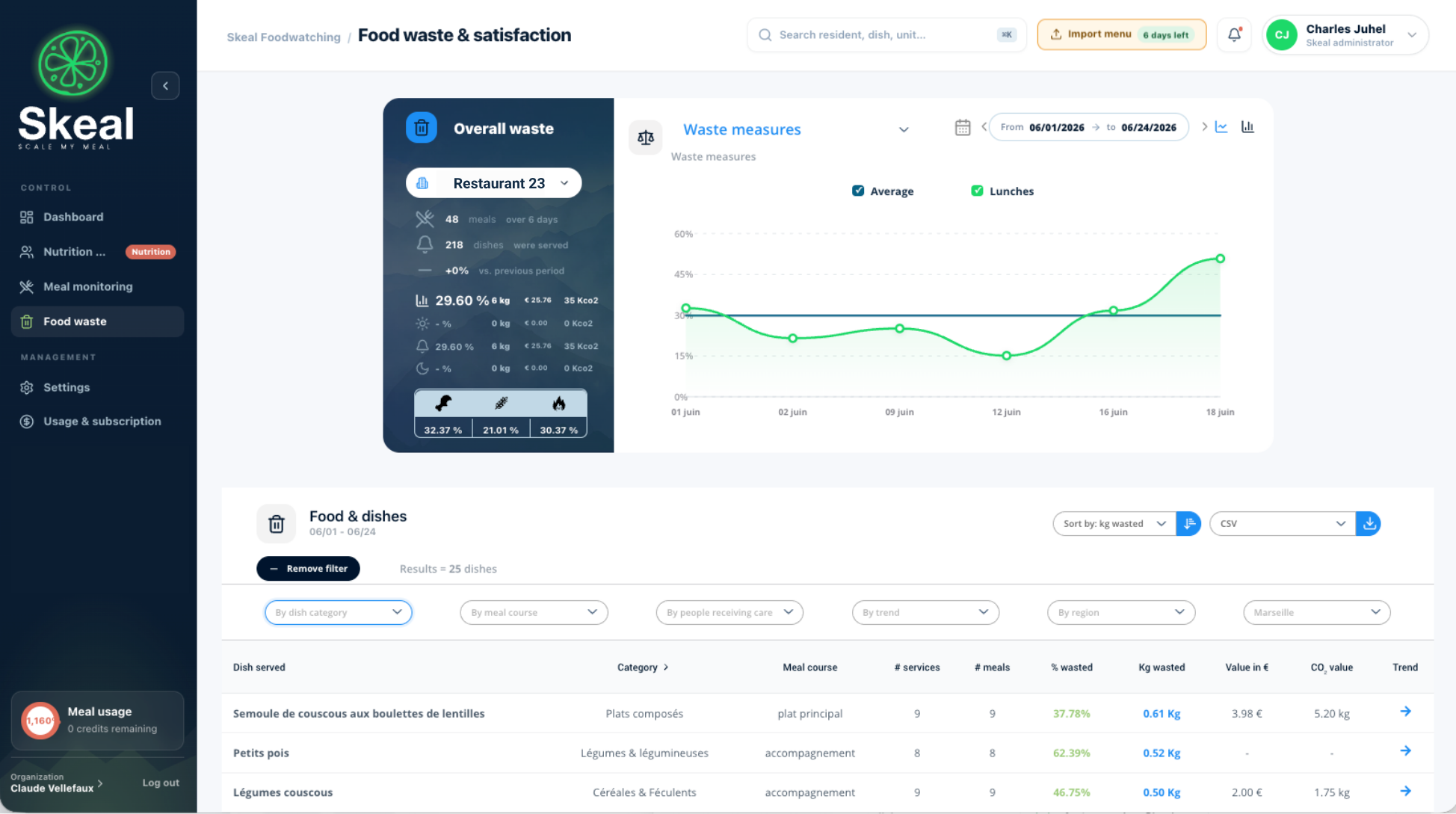
Food-service performance
The same data helps food-service, dietetic and CLAN teams understand what is really happening on the plate. It identifies dishes, portions and menus that lead to under-consumption or waste.
One meal produces data that is useful for patient nutrition and for the establishment's food-service performance.
In video
Before-and-after photos help teams understand consumption dish by dish and share useful insights.
Evidence & references
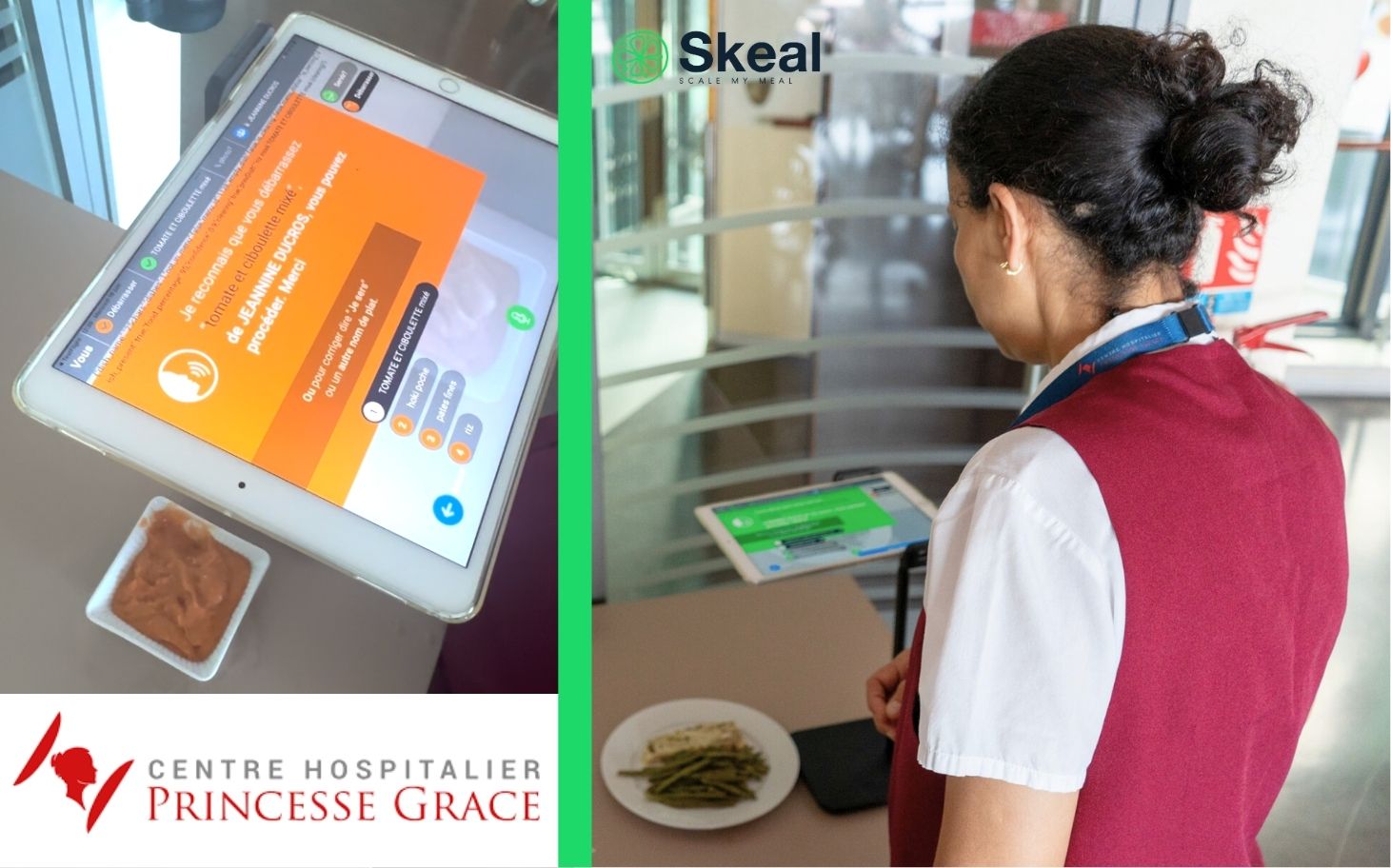
Conducted in a geriatric ward at CHPG, Monaco’s public hospital, these two pilots helped develop Skeal alongside the teams serving and clearing meals. Their feedback guided how the application was adapted to day-to-day service constraints.
FAQ
No. Skeal provides observed meal-consumption data; interpretation and decisions remain with healthcare professionals.
Yes. Teams retain the ability to review and correct analyses according to configured permissions.
Yes. Deployment can be scoped for a pilot, one ward or one site before a wider rollout.